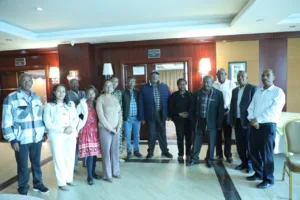
Mizan, Southwest Ethiopia — Staff members of the Ethio Wetlands and Natural Resources Association (EWNRA) implementing the Improving Rights, Livelihoods and Sustainable Forest Management (IRLF) Project held a coordination and experience-sharing meeting at EWNRA’s Mizan Coordination Office to discuss the project’s overall nature, implementation structure, management arrangements, reporting systems, and technical and administrative issues.
The IRLF Project is being implemented from January 2026 to December 2030, with the aim of contributing to improved rights, livelihoods, and sustainable forest management in Southwest Ethiopia Woredas where EWNRA operates. The meeting brought together staff from the Southwest Project Coordination Office and woreda-level facilitators to strengthen their common understanding of the project and ensure coordinated implementation.
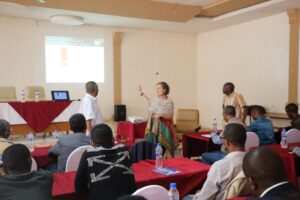
At the beginning of the meeting, Ahmid Said, EWNRA Forestry Program Director, presented an overview of the IRLF Project, focusing on its overall management structure, implementation arrangements, responsibilities, and coordination mechanisms. The presentation provided participants with a common framework for understanding the project and the roles of different implementing teams.
Following the presentation, participants raised questions, shared observations, and identified issues requiring further clarification. The discussions focused on practical challenges encountered during project implementation and ways to strengthen coordination between the project coordination office and woreda-level teams. Ahmid Said and other coordinators provided explanations and responses, helping participants clarify the issues raised and reach a common understanding.
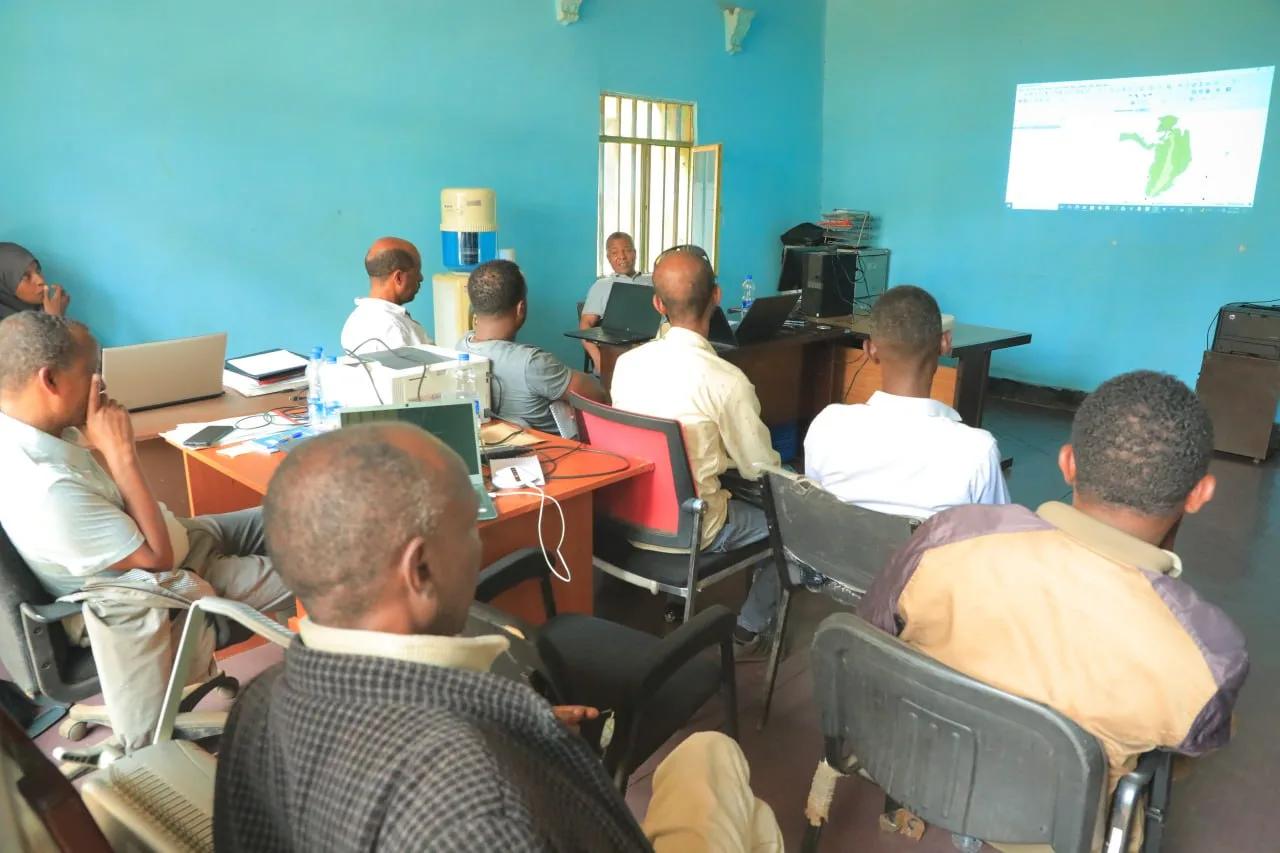
In the next session,Yingaligh Bizuayehu, Mizan Project Office Coordinator explained the plan and some other important points of IRLF project. On the other hand Mesfin Sodo, EWNRA Planning, Monitoring and Evaluation (PPME) Officer, presented key issues related to data management, documentation, and digital reporting systems to be applied throughout the implementation of the IRLF Project.
The session emphasized the importance of collecting accurate, timely, and verifiable information from field activities and maintaining proper documentation. Participants discussed reporting procedures and the use of digital systems to improve the quality, accessibility, and consistency of project data. The session also highlighted the importance of ensuring that field-level information is properly documented and reported in accordance with the project’s monitoring and reporting requirements.
The meeting also included a practical session on communication and field documentation. Endegena Desalegn, EWNRA Communication Officer, provided participants with basic guidance on photography principles and techniques for documenting project activities.
The session was particularly intended to help field staff capture useful and informative photographs when a professional photographer, camera operator, or communication officer is not available. Participants were introduced to basic considerations such as selecting appropriate subjects, framing and composition, lighting, capturing activities from useful angles, and ensuring that photographs provide sufficient context about the people, activities, and locations being documented.
The discussion emphasized that high-quality visual documentation can play an important role in reporting, communication, knowledge sharing, and demonstrating the results and impacts of project interventions. Staff members were encouraged to apply the basic techniques in their routine field activities so that project achievements and activities can be properly documented whenever needed.
In addition the team discussed a number of administrative and technical matters related to the implementation of the IRLF Project. These included financial procedures, administrative kebele structures in forest areas where EWNRA operates, forest map redefining and updating, and project reporting formats.
The discussions provided an opportunity for staff to identify implementation gaps, clarify responsibilities, and exchange practical experiences from different project locations. Particular attention was given to ensuring that administrative arrangements, geographical information, financial procedures, and reporting systems are aligned with project requirements.
The meeting concluded with a shared understanding of the importance of effective coordination, reliable data management, consistent documentation, and timely reporting for the successful implementation of the IRLF Project. Participants agreed that continued communication and experience sharing among the project coordination office, woreda facilitators, and other implementing staff will be essential to strengthening implementation and achieving the project’s objectives throughout its five-year implementation period.